
RCMP Shared Freedom Convoy Supporters Personal Information to Security Regulators

Abuses at this level could very simply lead to the Federal Government having accounts frozen at any time if they don’t agree with their opposition.
These abuses were perpetrated by the financial institutions and allowed to happen. The financial institutions should have at the very least questioned the authority on which to seize the accounts.
Never in Canadian history have financial institutions seized accounts simply by request.
The convoy was deemed legal by Ontario Superior Court Justice Hugh McLean, in his ruling, he stated, “provided the terms of this Order are complied with, the defendants and other persons remain at liberty to engage in a peaceful, lawful and safe protest.”
So how does the Government, Police and Financial Institutions see their way to circumventing the courts and seizing properties without warrant, as guaranteed under our Charter of Rights and Freedoms?
These actions are a blatant disregard for our rights. The Federal Government felt it was needed to protect the Canadian people when the Constitution and Charter of Rights and Freedoms were implemented in 1982.
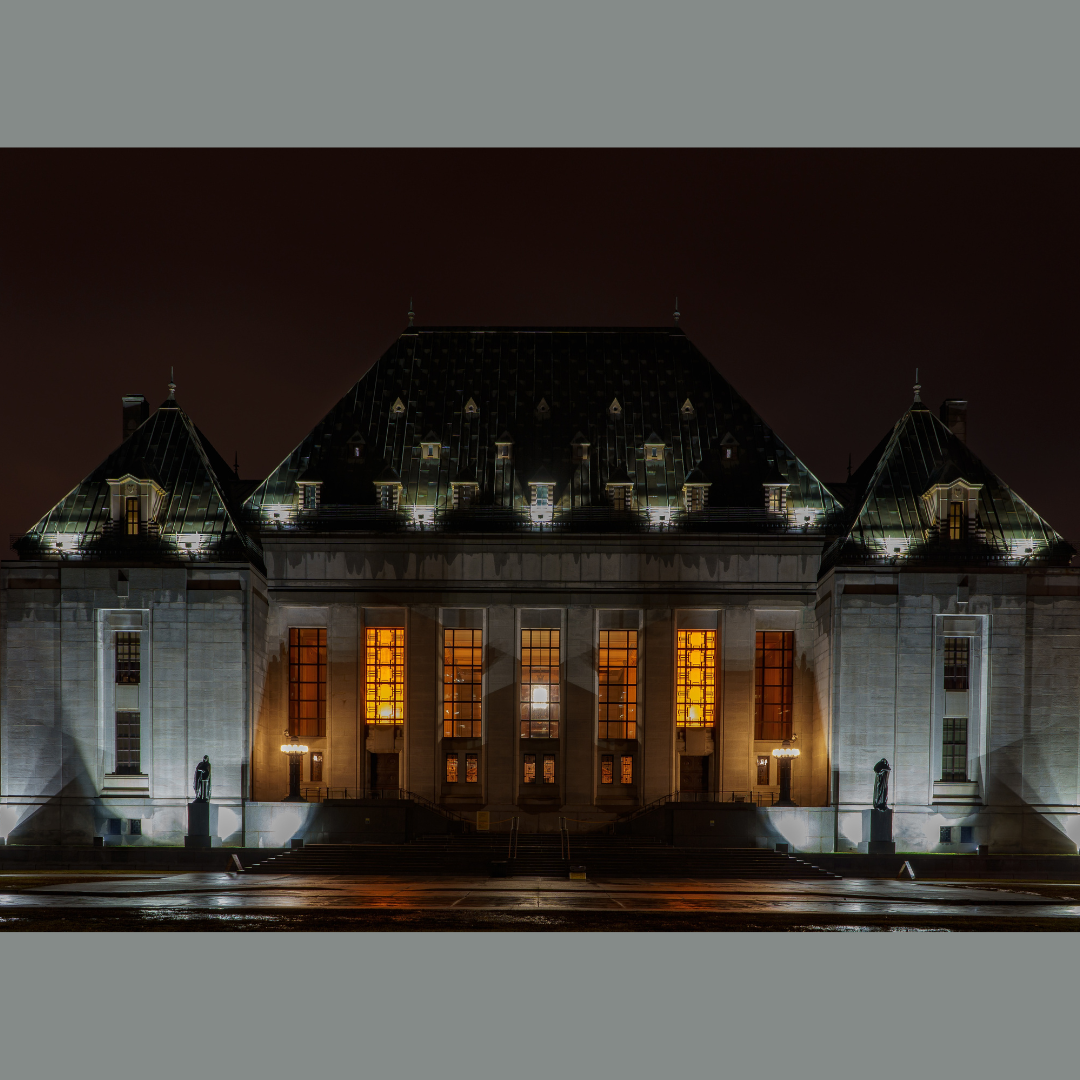
The Supreme Court of Canada ruled in 1986, on Charter breeches by the Government in the case R vs Oakes. This ruling clearly laid out the requirements for breaching one’s rights.
Section 2(b) of the Oakes test clearly states that the provisions the Government are seeking, must “minimally impair” the violated Charter right.
Common sense would tell you that the seizing of financial assets and the sharing of illegally gained private information falls well beyond that scope.
Police on Guard will continue to support Canadians in the fight to restore accountability and process for all Governments, police agencies and financial institutions within our Charter of Rights and Freedoms.
To read The Epoch Times article written by Isaac Teo, click here



0 Comments